Standing proud in Verona's heart for nearly two millennia, this ancient amphitheatre has hosted gladiators, medieval pageants, and some of the world's most breathtaking opera performances. Few monuments on earth blend history, architecture, and living culture quite so magnificently.
Featured Tour
The Verona Highlights Walking Tour in Small-group is your gateway to experiencing this extraordinary city with depth and context. Rather than wandering alone between monuments, you'll be led by a knowledgeable local guide who weaves together the history, legends, and daily life of Verona into an unforgettable narrative. From Castelvecchio to the grandeur of Piazza Bra, every stop tells a story worth knowing.
About the Destination
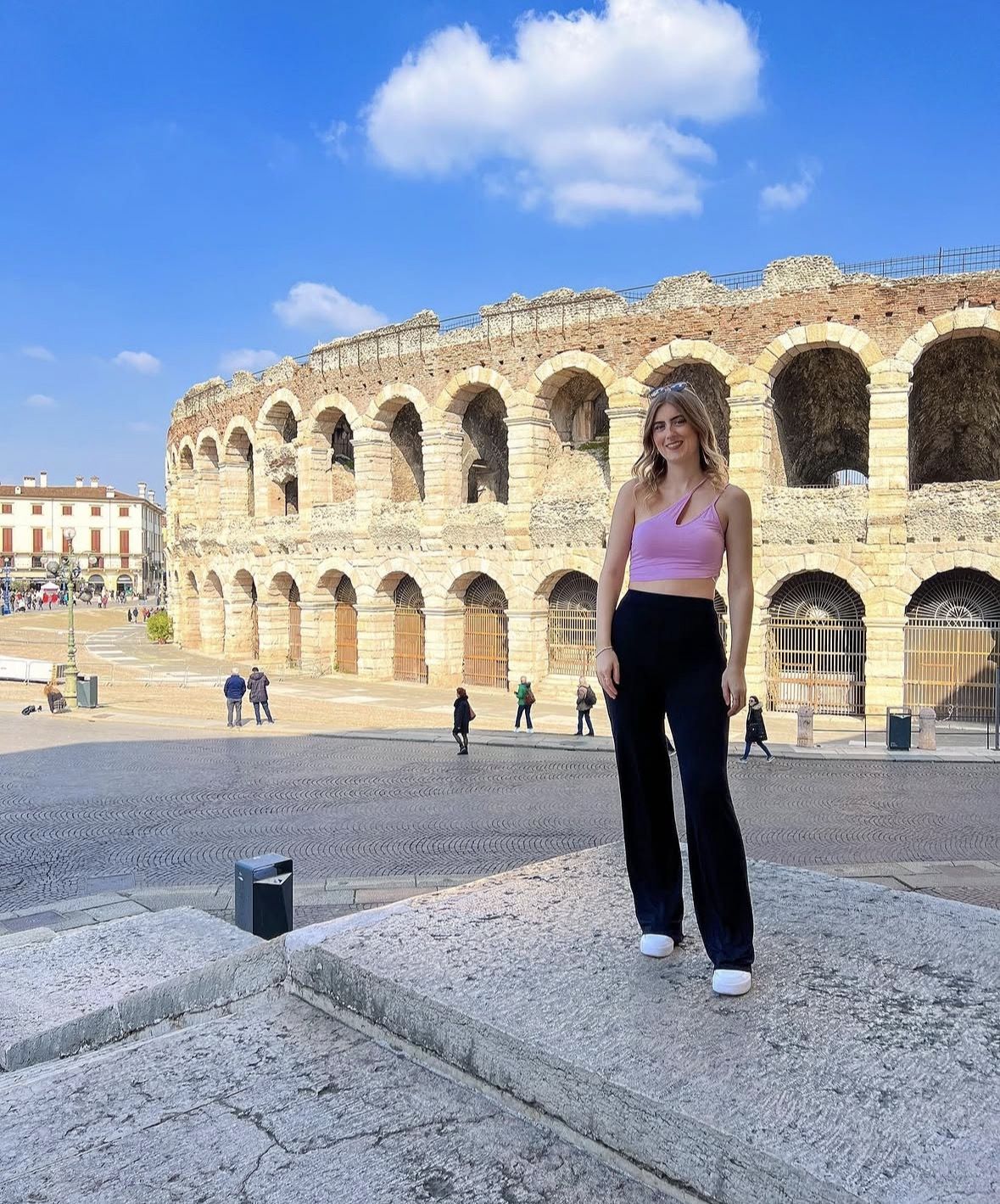
Perfectly positioned in the heart of Verona's historic centre, this ancient monument remains one of Italy's most visited and most atmospheric landmarks. It sits on the vast Piazza Bra, easily reachable on foot from the city's main hotels, restaurants, and other sights.
The amphitheatre occupies the southern edge of Piazza Bra, Verona's largest and most elegant square. Surrounded by café terraces, manicured gardens, and Renaissance palaces, the ancient structure rises dramatically above its urban setting. The historic centre of Verona is a UNESCO World Heritage Site, and the arena stands as its undisputed centrepiece. Everything in the compact old town is within comfortable walking distance, making it an exceptionally convenient destination for day-trippers and overnight visitors alike.
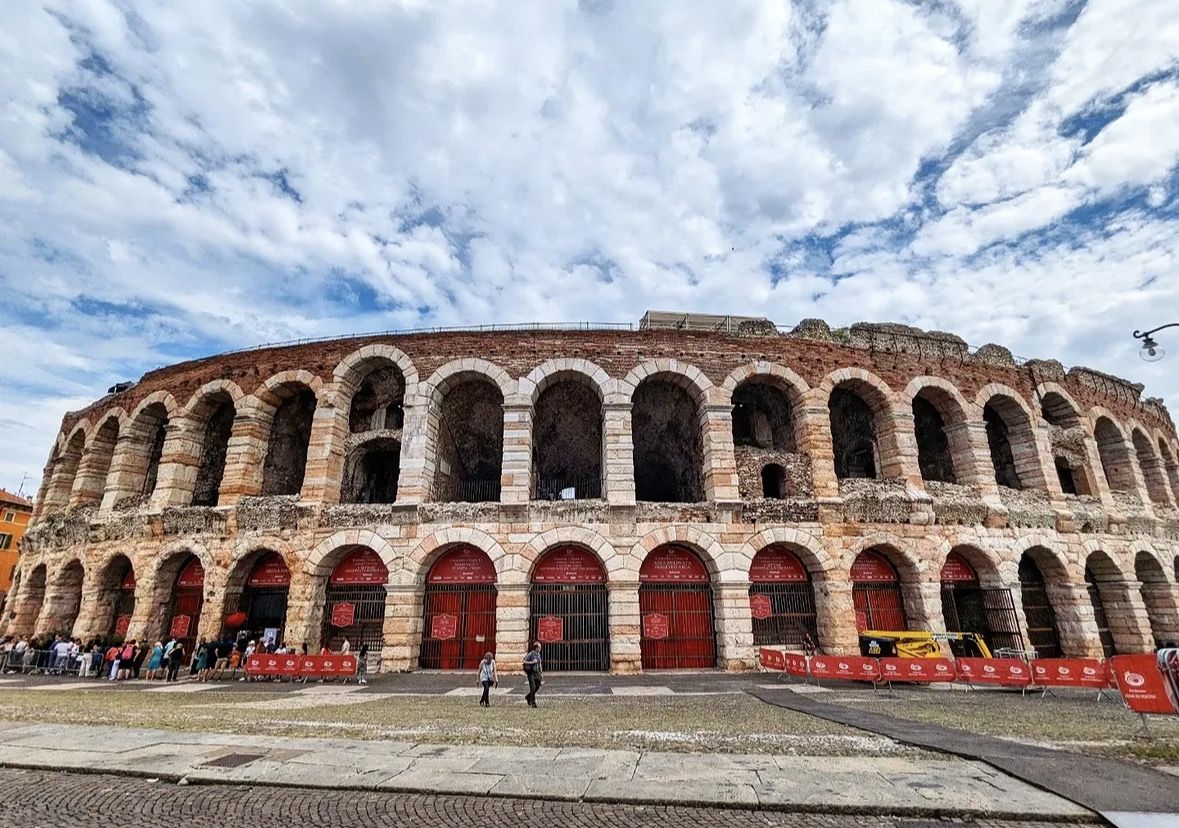
Construction is generally dated to the first century AD, during the reign of the early Roman Empire. Built from local pink and white limestone, it originally seated an estimated 30,000 spectators who gathered for gladiatorial contests and elaborate animal hunts. The outer ring was largely destroyed by a devastating earthquake in 1117, yet the inner structure survived almost completely intact. Over the centuries it served as a market, a fortress, and a venue for jousting and bullfights before Aida's legendary 1913 production launched its modern identity as an opera house.
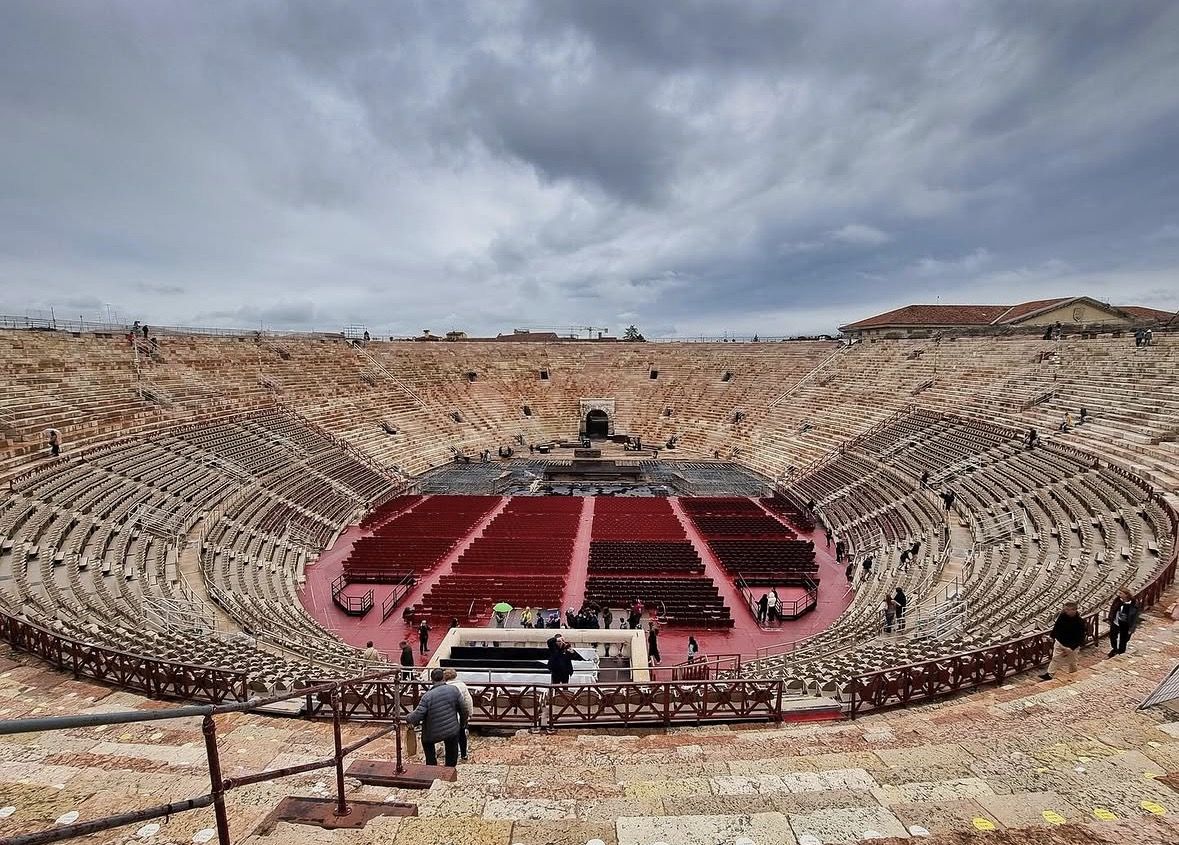
Visitors today can explore the tiered stone seating, the elliptical arena floor, and sections of the original Roman masonry during daytime opening hours. The atmosphere shifts dramatically after sunset when the opera season runs, with candlelit processions and full orchestral productions drawing audiences from across the globe. Even without a performance ticket, simply standing inside the ancient oval as daylight fades across Verona's rooftops is an unforgettable experience that no photograph can fully capture.
It ranks as the third largest surviving Roman amphitheatre in the world, after the Colosseum in Rome and the amphitheatre at Capua. Its near-complete interior makes it arguably the best-preserved of all three for visitor experience.
A catastrophic earthquake in 1117 toppled most of the elaborate four-storey outer ring, leaving only the famous four-arch fragment — known as the 'ala' — still standing. Paradoxically, this disaster preserved the inner structure by reducing the load bearing on ancient foundations.
To celebrate the centenary of Giuseppe Verdi's birth, a production of Aida was staged here in 1913, marking the beginning of what would become one of the world's most celebrated annual opera festivals. The tradition has continued almost every summer since.
Builders used a combination of pink Veronese limestone and white Ionic marble to construct the tiered seating and facade. The striking colour contrast is still visible in the partially surviving outer arch and throughout the interior cavea.
A beloved opera-night tradition sees each member of the audience carry a small candle or lighter. When the lights dim before the performance begins, the entire amphitheatre glows with thousands of tiny flames — a spectacle almost as moving as the music itself.
Outside the classical opera season, the venue hosts international rock, pop, and classical concerts, as well as sporting events. Artists from Elton John to Andrea Bocelli have performed beneath its ancient arches.
The open-air opera season runs from late June through early September, with grand productions of Aida, Carmen, Nabucco, and other classics staged on elaborate sets. Booking tickets weeks or even months ahead is essential for popular nights.
Outside performance hours the amphitheatre opens as a museum, allowing visitors to climb the ancient tiers, walk the arena floor, and examine Roman inscriptions and archaeological finds. Audio guides and multilingual signage add helpful context.
The warm light of late afternoon bathes the pink limestone in a copper glow that photographers find irresistible. Arriving an hour before sunset gives you time to explore angles both inside the cavea and around Piazza Bra without large crowds.
The cafés lining the piazza directly facing the amphitheatre are perfect for a leisurely Spritz or Amarone before or after your visit. Watching the ancient facade change colour through the evening light while sipping a local wine is quintessentially Veronese.
The amphitheatre pairs naturally with Verona's other landmarks — Juliet's House, the Roman Theatre, Castelvecchio, and the Lamberti Tower are all within a 20-minute walk. Many guided walking tours combine the arena with the city's other UNESCO highlights in a single half-day itinerary.
Specialist tours offered on selected mornings take small groups behind the scenes to see the stage machinery, costume warehouses, and production infrastructure that support the colossal summer opera sets. These tours sell out quickly and must be booked in advance.
Choosing between Europe's great Roman amphitheatres? Here's how the key factors stack up.
If you're passionate about Roman history, several world-class amphitheatres compete for your travel budget and time. The Colosseum in Rome, the amphitheatre at Nîmes in France, and the one at El Jem in Tunisia each offer a genuinely different experience in terms of scale, crowds, price, and atmosphere. Understanding those differences helps you decide whether Verona Arena deserves a place on your itinerary — or the top spot on it.
| Crowds | Price | Best For | What Sets It Apart | |
|---|---|---|---|---|
| ★ Verona Arena | Moderate (very busy opera season) | €10–€15 day entry; opera from €30 | History lovers & opera fans | Only ancient amphitheatre still hosting major live performances |
| Colosseum, Rome | Very high year-round | €18–€24 entry; timed slots required | Iconic Roman history & archaeology | World's most famous ancient monument; underground & arena floor access |
| Amphitheatre of Nîmes, France | Low to moderate | €10 entry | Authentic Roman atmosphere with fewer tourists | Remarkably intact; still hosts bullfights and concerts |
| El Jem Amphitheatre, Tunisia | Very low | ~€6 entry | Off-the-beaten-path Roman exploration | Largest amphitheatre in Africa; stunning desert setting |
For travellers who want ancient Roman grandeur combined with a living, breathing cultural programme, Verona Arena is without equal. The Colosseum is more famous, Nîmes is quieter, and El Jem is more remote — but none of them lets you sit beneath the stars inside a 2,000-year-old structure while a full orchestra plays Verdi. That unique fusion of antiquity and living art is what makes this amphitheatre truly irreplaceable.
Travel Guide
Everything you need to plan a smooth, memorable visit — from getting here to what to pack on opera night.
Verona is well connected by air and rail. Verona Villafranca Airport (VRN) receives direct flights from across Europe, with a dedicated bus service linking the airport to Verona Porta Nuova train station in about 15 minutes. Alternatively, high-speed Trenitalia and Italo trains connect Verona to Milan in 70 minutes, Venice in 65 minutes, and Rome in roughly three and a half hours, making it an ideal stop on a broader Italian itinerary.
Once in Verona, the amphitheatre is a flat 15-minute walk from Porta Nuova station along the pedestrianised Corso Porta Nuova. City buses also connect the station to Piazza Bra. The entire historic centre is compact and best explored on foot — taxis and ride-shares are easy to find for late-night returns after opera performances. Driving into the historic ZTL zone is restricted without a permit, so use one of the car parks near the ring road.
Late spring and early autumn — April through May and September through October — offer the most comfortable daytime temperatures for sightseeing, typically 18–24 °C, with manageable crowds. The summer opera season from late June to early September is the most atmospheric time to visit but also the busiest and hottest, with temperatures regularly topping 30 °C. Winter visits are crowd-free and inexpensive, though the amphitheatre's hours are reduced and opera performances are absent.
Verona has a humid subtropical climate with warm, humid summers and cool, foggy winters. Spring brings occasional rain but also the famous Verona cherry blossoms and a festive atmosphere ahead of the season. Summer evenings cool pleasantly, making outdoor opera very enjoyable despite hot afternoons. Autumn light is spectacular for photography and wine harvest events fill the surrounding Valpolicella and Soave wine regions with tastings and festivals.
Comfort is key whether you're exploring the stone tiers in the afternoon heat or settling in for a three-hour evening opera. Hard, ancient stone seating requires a cushion for long performances — these can be rented on site for a small fee but bringing your own is more comfortable. Sun protection is essential for daytime visits, while evenings call for an extra layer as temperatures drop surprisingly quickly in the open-air structure.
Footwear matters enormously: the worn Roman stones can be slippery and uneven, so sturdy flat shoes or trainers are far preferable to sandals or heels. For opera nights, Italians dress smartly — smart-casual is the norm, with many visitors opting for summer dresses, linen shirts, or light blazers. A small backpack is handy for carrying water, snacks, and a camera, though large bags may be subject to security checks.
Arrive at opening time (typically 9 am) to explore the interior without the midday crowds and heat. Buy tickets online in advance — the official website and authorised booking platforms often offer skip-the-queue options. Combine your visit with the nearby Museo Maffeiano, which houses a remarkable collection of ancient inscriptions found at the site. On opera nights, gates open 90 minutes before curtain; arriving early lets you soak in the atmosphere and find your seat without rushing.
Verona is serious about its food culture. Before or after a performance, explore the trattorias and wine bars in the streets behind Piazza Bra for local dishes like risotto all'Amarone, pastissada de caval, and the exceptional local wines. Tipping in Italian restaurants is not mandatory but rounding up or leaving 5–10% is appreciated. The euro is the currency; most venues accept cards but carry some cash for smaller cafés and the arena souvenir stalls.
Italy requires no special vaccinations for EU or most Western travellers, though being up to date on routine immunisations is always advisable. Carry European Health Insurance Card (EHIC) or equivalent travel insurance documentation. The most common health issues for visitors are heat-related: the open stone structure offers almost no shade, so sun exposure during peak summer hours between noon and 3 pm can be intense. Stay hydrated, use sun protection, and take breaks in shaded café areas around the piazza.
Verona's historic centre is generally very safe for tourists, with a visible police presence especially during opera season. Watch out for pickpockets in crowded evening queues at the gates — keep valuables in a zipped inner pocket or money belt. The nearest hospital is Ospedale Civile Maggiore, about 1.5 km from Piazza Bra. In an emergency dial 112 (pan-European emergency number). Uneven ancient stonework is the most common cause of minor injuries, so sensible footwear is a genuine safety precaution.
Explore More
Verona's UNESCO historic centre packs Roman ruins, medieval castles, Renaissance art, and Romeo-and-Juliet romance into a single walkable neighbourhood.
The 'Verona: Tour with Arena, Cable Car and Optional Juliet Tickets' takes you through the very heart of one of Italy's most romantic and historically rich cities.
Check this tour →The Verona Arena Skip-the-line Tour is the smartest way to experience Verona's most iconic landmark without wasting precious holiday time in queues.
Check this tour →The Verona Highlights Walking Tour in Small-group is your gateway to experiencing this extraordinary city with depth and context.
Check this tour →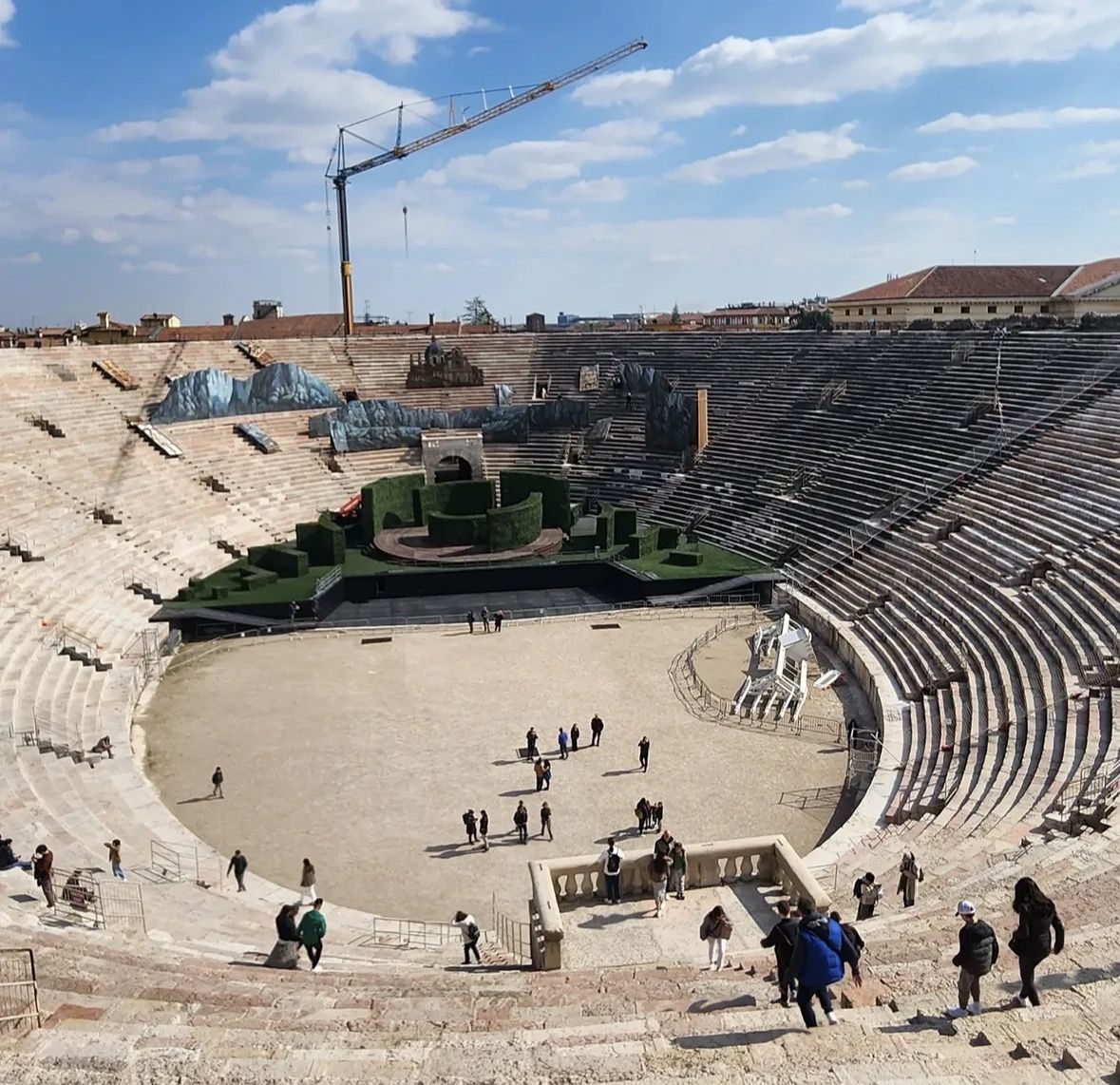
The Best of Verona Highlights Walking Tour with Arena is the definitive way to experience this UNESCO-listed city.
Check this tour →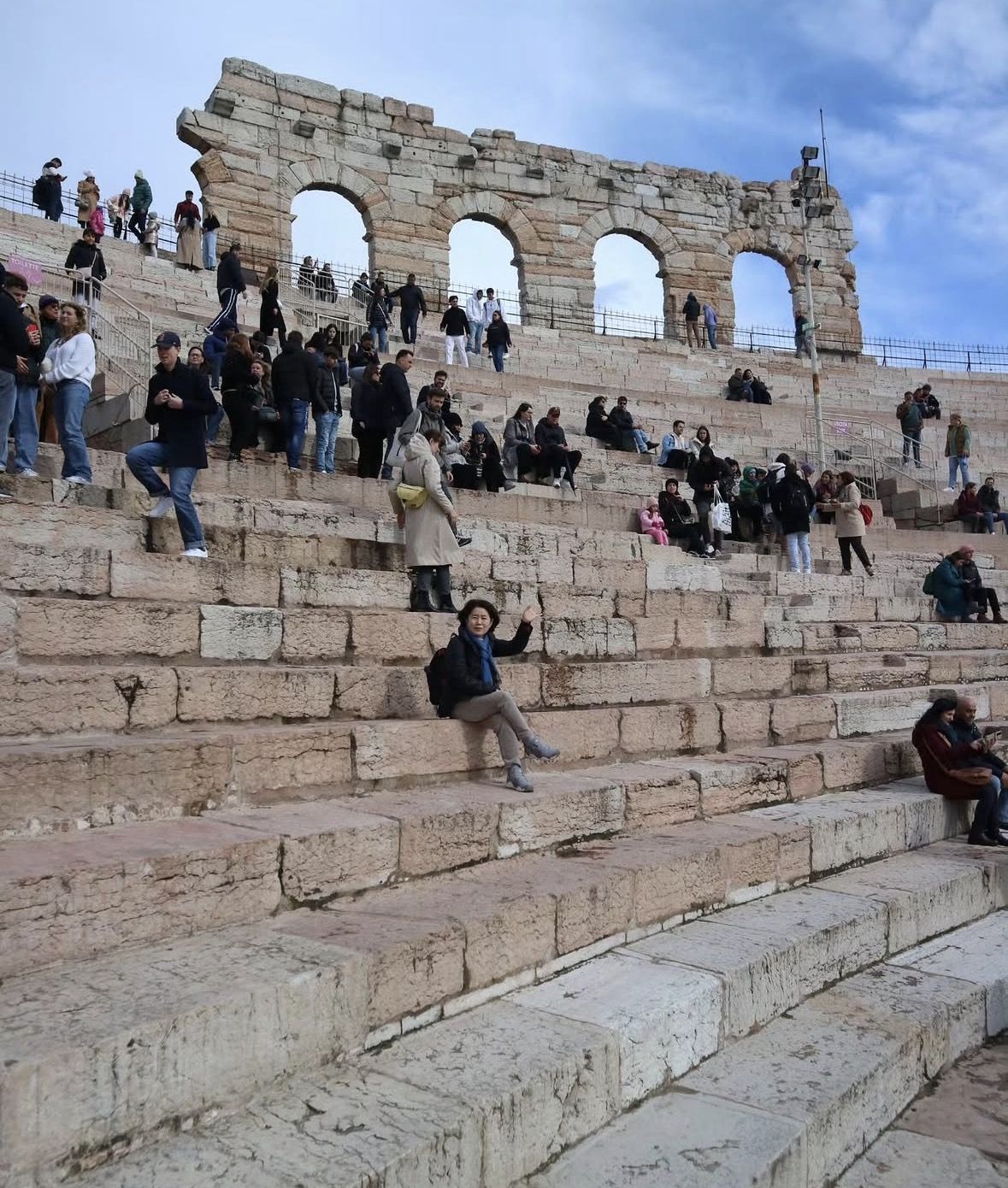
The 'Verona e-bike tour: city center and panoramic views' is the most rewarding way to experience this UNESCO-listed city in a single outing.
Check this tour →Traveler Reviews
Thousands of visitors share their unforgettable experiences at the Verona Arena every year.
"Standing inside this ancient amphitheatre for the first time genuinely took my breath away. The sheer scale of the stone arches and the perfectly preserved seating tiers made it hard to believe something this magnificent has survived two thousand years. We attended an evening opera performance of Aida, and the atmosphere was electric — nothing compares to live music under the stars in a Roman monument. I would encourage every traveller visiting northern Italy to make this an absolute priority."
"We booked a guided tour and it was honestly one of the best decisions of our entire Italy trip. Our guide was incredibly knowledgeable about the gladiatorial history, the medieval transformations, and the eventual rise of opera here in the early twentieth century. Walking the same stone steps that Romans walked felt surreal, and the panoramic view from the upper tiers over Verona's rooftops was stunning. Absolutely worth every cent of the entrance fee."
"A genuinely impressive site that exceeded my expectations after seeing so many Roman ruins across Europe. The interior is remarkably intact, and you can really appreciate the engineering genius that has allowed it to stand for millennia. The only minor downside was that certain sections were roped off for opera season preparations, which limited where we could walk. Still, even with restricted access, there is more than enough to keep you captivated for a couple of hours."
"Attending a Verona Arena opera performance was a bucket-list moment that did not disappoint in the slightest. The acoustics inside this ancient structure are phenomenal — even without modern amplification in some productions, every note carries beautifully across the stone. We arrived early to find our seats and spent time marvelling at the pink-tinged limestone glowing in the sunset light. This is one of those rare travel experiences that genuinely lives up to the hype."
"I visited on a quiet weekday morning and had almost the entire place to myself, which made the experience feel deeply personal and almost meditative. The historical information panels around the site are well written and genuinely informative about everything from construction techniques to medieval repurposing. It sits right in the heart of Verona's old town, so you can pair a visit with a stroll through Piazza Bra immediately afterward. One of the most memorable mornings I have spent in Italy."
"A remarkable monument that every history lover will adore — the sense of continuity from ancient Rome to the present day is palpable in every stone. We did the self-guided option and found the audio guide quite detailed, though a live guide would probably add more colour to the stories. The queues during peak summer can be long, so I would recommend booking skip-the-line tickets in advance if you can. Overall, a highlight of our entire Veneto itinerary."
"Words cannot fully capture the feeling of sitting in those ancient stone seats as a full orchestra fills the night air with Verdi. We treated ourselves to good seats for Carmen and dressed up a little, which felt entirely appropriate given the grandeur of the setting. The surrounding piazza buzzes with pre-show energy and there are wonderful restaurants nearby for dinner beforehand. This is Italy at its most theatrical and most alive — an experience I will talk about for the rest of my life."
"Even without an opera ticket, simply walking through the amphitheatre during the day is a profound and moving experience. The layers of history embedded in those ancient stones — gladiators, medieval fairs, Renaissance jousts, and now world-class opera — are almost impossible to fully absorb in a single visit. Our kids, aged eight and eleven, were completely captivated and asked more questions than I could answer. It sparked a lasting interest in Roman history that has continued long after we returned home."
Watch Before You Go
See why this ancient amphitheatre is considered one of the world's greatest living performance spaces.
Location
The amphitheatre is located on Piazza Bra, 37121 Verona VR, Italy, directly accessible on foot from Verona Porta Nuova train station.
FAQ
Everything you need to know before you visit, from tickets and timing to opera nights and practical tips.
Ready to experience ancient Rome and world-class opera in one unforgettable visit?
Book Your TourDiscover More
Built in the first century AD to entertain tens of thousands of Roman citizens with gladiatorial contests and wild animal hunts, this extraordinary amphitheatre has outlasted empires, earthquakes, and centuries of changing purpose. Its transformation into an open-air opera house in 1913 gave it a second cultural life that continues to captivate audiences from every corner of the world.